Cyber Resilience in 2026: Why It’s Time to Act
In today’s threat landscape, cyber resilience is no longer a technical conversation, it’s a board‑level priority. The latest NCSC report makes one message clear: every organisation is now a target. With state actors remaining a significant threat and attackers increasingly using AI and automation, businesses must shift from reactive to proactive resilience
“For too long, cyber security has been regarded as an issue predominantly for technical staff. This must change. All business leaders need to take responsibility for their organisation’s cyber resilience”
Richard Horne – CEO, NCSC
For smaller businesses without dedicated IT or security teams, knowing where to start can feel overwhelming. That’s exactly the gap our cyber expert Jed set out to bridge. Using the latest NCSC insights, Jed, has set out a three‑phased approach, with each step building on another, giving you a clear structure to strengthen your cyber resilience and ensuring you invest in the right security measures at the right stage.
Phase 1: Build Foundations
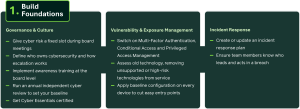
Strong security starts with governance, visibility and a proactive incident response plan. Giving cyber risk a defined place at board level, clear ownership across the business, and ensuring every device and identity is secured, forms the foundation of strong cyber resilience. Simple steps like removing unsupported tech, switching on Multi-Factor Authentication and maintaining an up-to-date incident response plan significantly reduces exposure. Becoming Cyber Essentials certified is a key milestone at this stage, as it ensures you have the essential security foundations in place.
Phase 2: Manage Risk
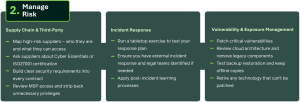
Once foundations are set, the priority shifts to reducing and controlling risks across your environment and supply chain. High‑risk suppliers must be identified, contract requirements should be strengthened and supplier access should be minimised. Regular patching, cloud architecture reviews and tested backups ensure you can withstand disruption. This is also where incident response practice becomes critical because when an attack happens, speed matters!
Phase 3: Get Ahead
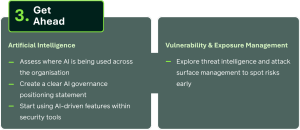
With the basics mastered, organisations can move to predictive security, including AI‑assisted tools, threat intelligence and attack surface monitoring, giving you the ability to identify risks before attackers exploit them.
Take the next step today and speak to our team about where your business sits on the resilience curve.
Contact Us